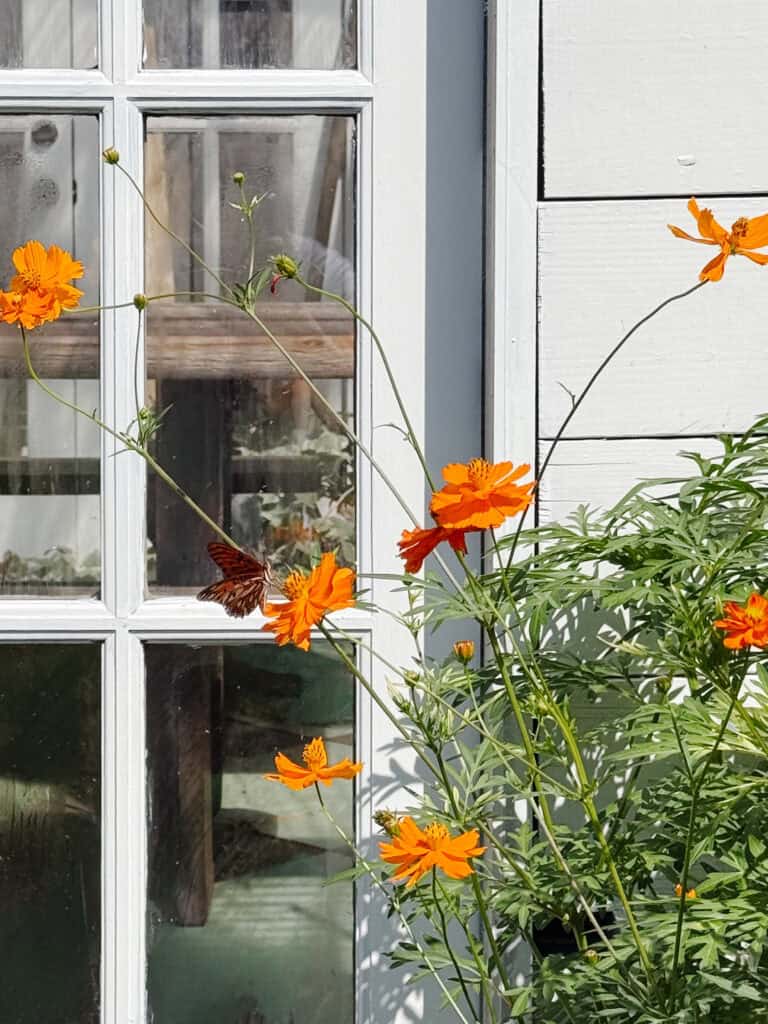
When we added new garden beds to the side of our vintage window greenhouse in mid-summer, I decided to try planting a wildflower garden. Since it was a challenging time to start anything new, I scattered a packet of wildflower seeds and anxiously waited to see them bloom. What I quickly learned is that wildflower seeds are not only forgiving, but they bring incredible rewards to any yard. Since then, I’ve discovered so many reasons why every garden needs wildflowers and I’m excited to share the benefits of planting wildflowers so you can enjoy them in your own space.
How it Started…
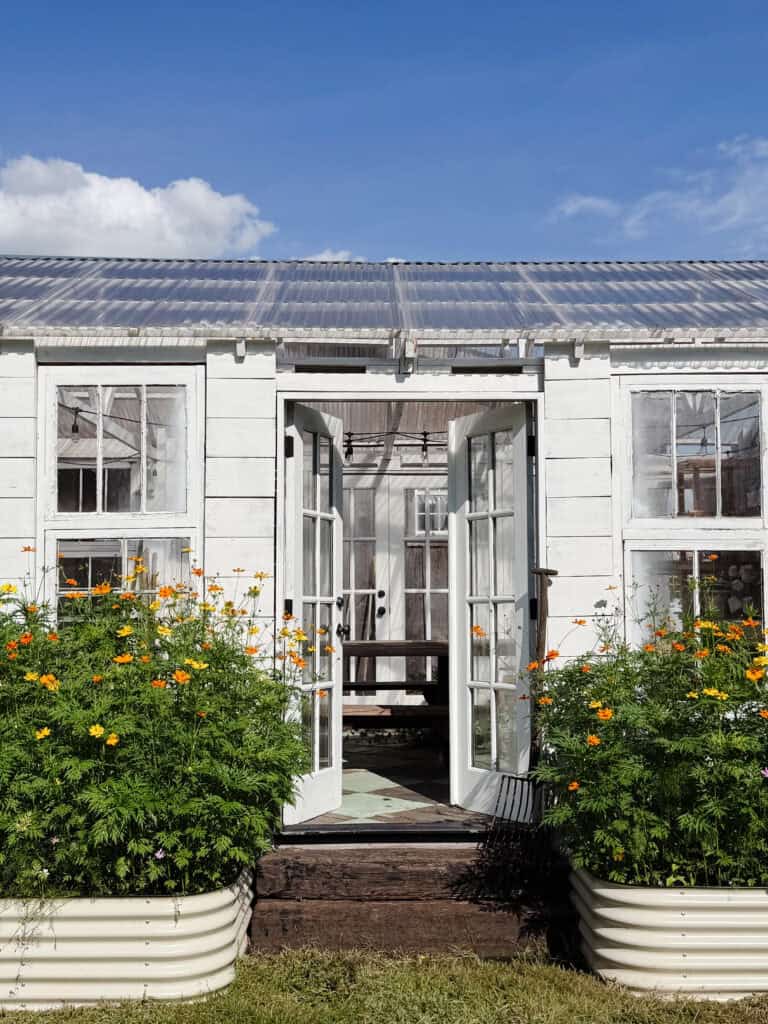
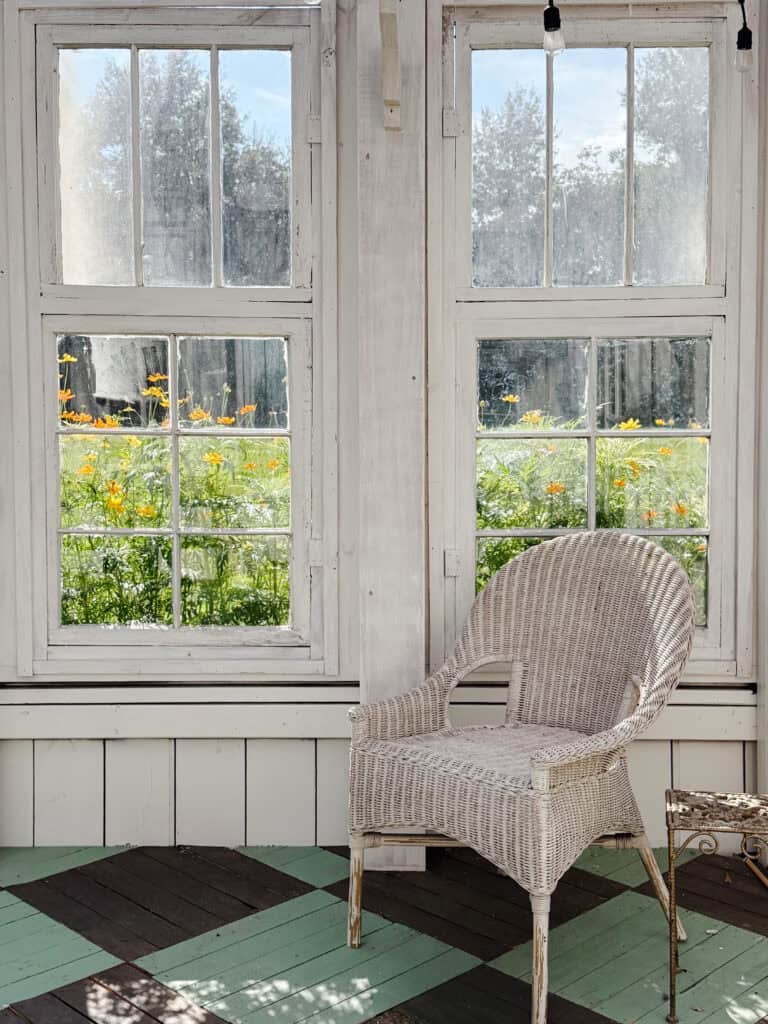
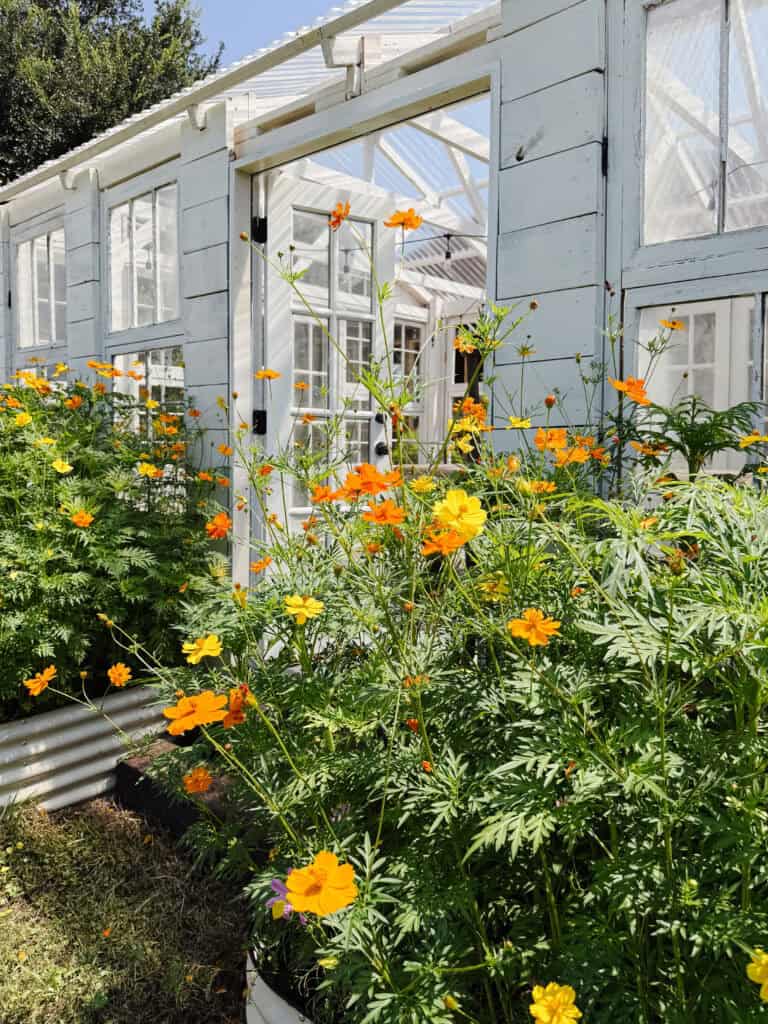
When we finished our vintage window greenhouse in May of 2024, we added landscaping beds and gave the front a polished look, but the surrounding areas were left for later. Over the past year, we’ve slowly been working on the garden spaces by the side doors, adding character and function as we went. The west side, with its full afternoon sun and hidden view from the house, was the last spot to be completed. This summer we finally added fresh soil and new beds, finished the steps, and even gave the door a fresh coat of paint to complete the look.
Planting Made Simple
When the beds were prepared and the greenhouse refreshed, seed planting came next! One of the best things about a wildflower garden is how easy it is to plant. Simply prepare bare ground or an existing lawn area by clearing long grass and invasive plants. Scatter your seed packets evenly across the soil, press lightly so the seeds touch the earth or slightly scatter soil over the seeds. Water a few times during the first week after planting. After that, nature takes over! Seedlings will appear quickly and in just a few weeks, you’ll have gorgeous blooms. By the following year, the life cycle of perennial wildflowers ensures even more flowers without much time or effort.
Ready to bring your garden to life? Outsidepride offers high-quality seed varieties for every space and season, making it easy to grow beautiful flowers!
Wildflowers have been a part of North America for centuries, thriving naturally across various soil types, climates, and regions. Planting them today is a great way to restore balance to the ecosystem, create natural beauty, and design spaces that support pollinators and wildlife. Whether you’re planting a large area or simply filling in existing garden beds, wildflowers are one of the easiest and most rewarding choices you can make.
Top 10 Reasons to Plant a Wildflower Garden
1. Food and Habitat for Pollinators
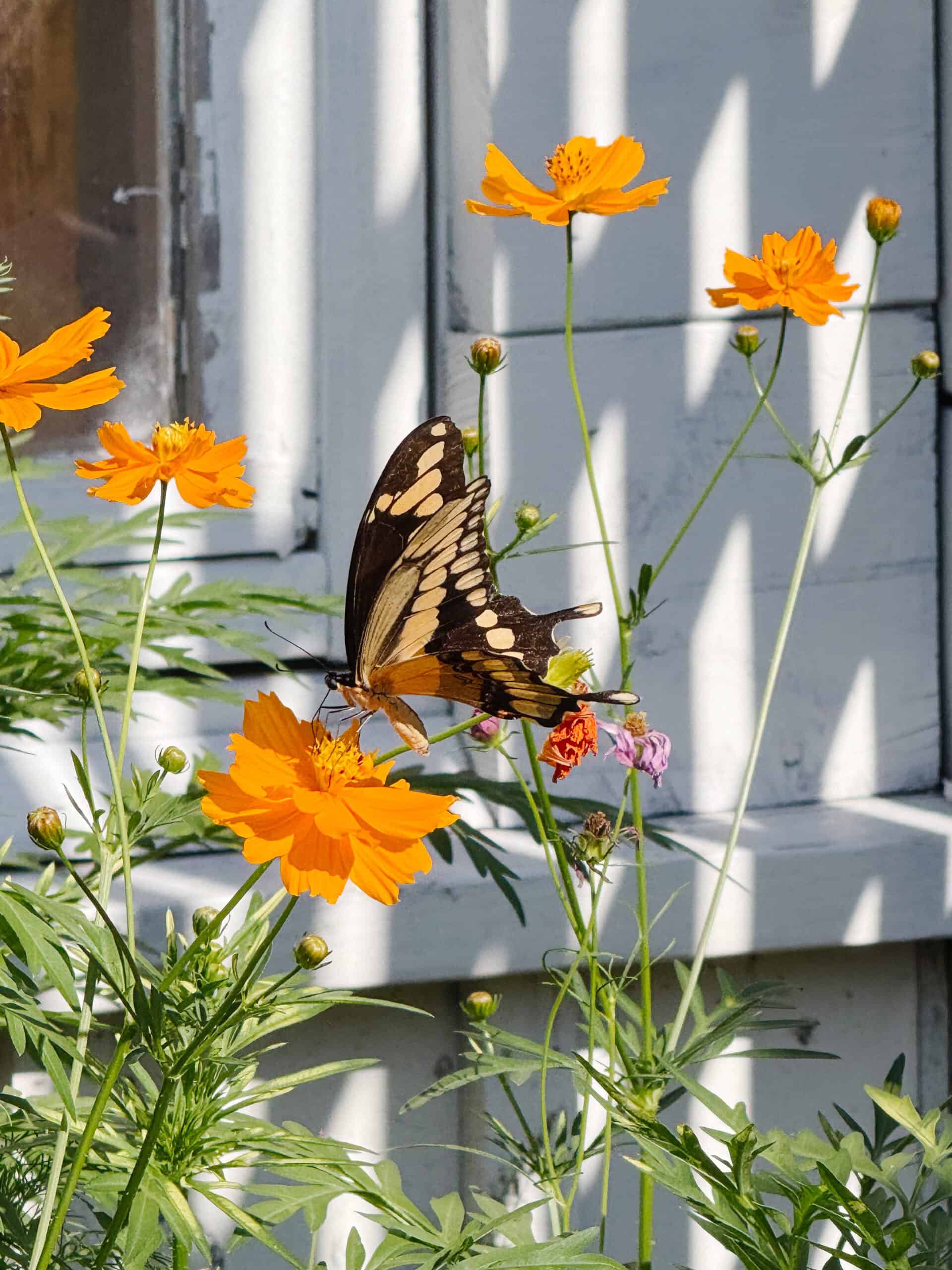
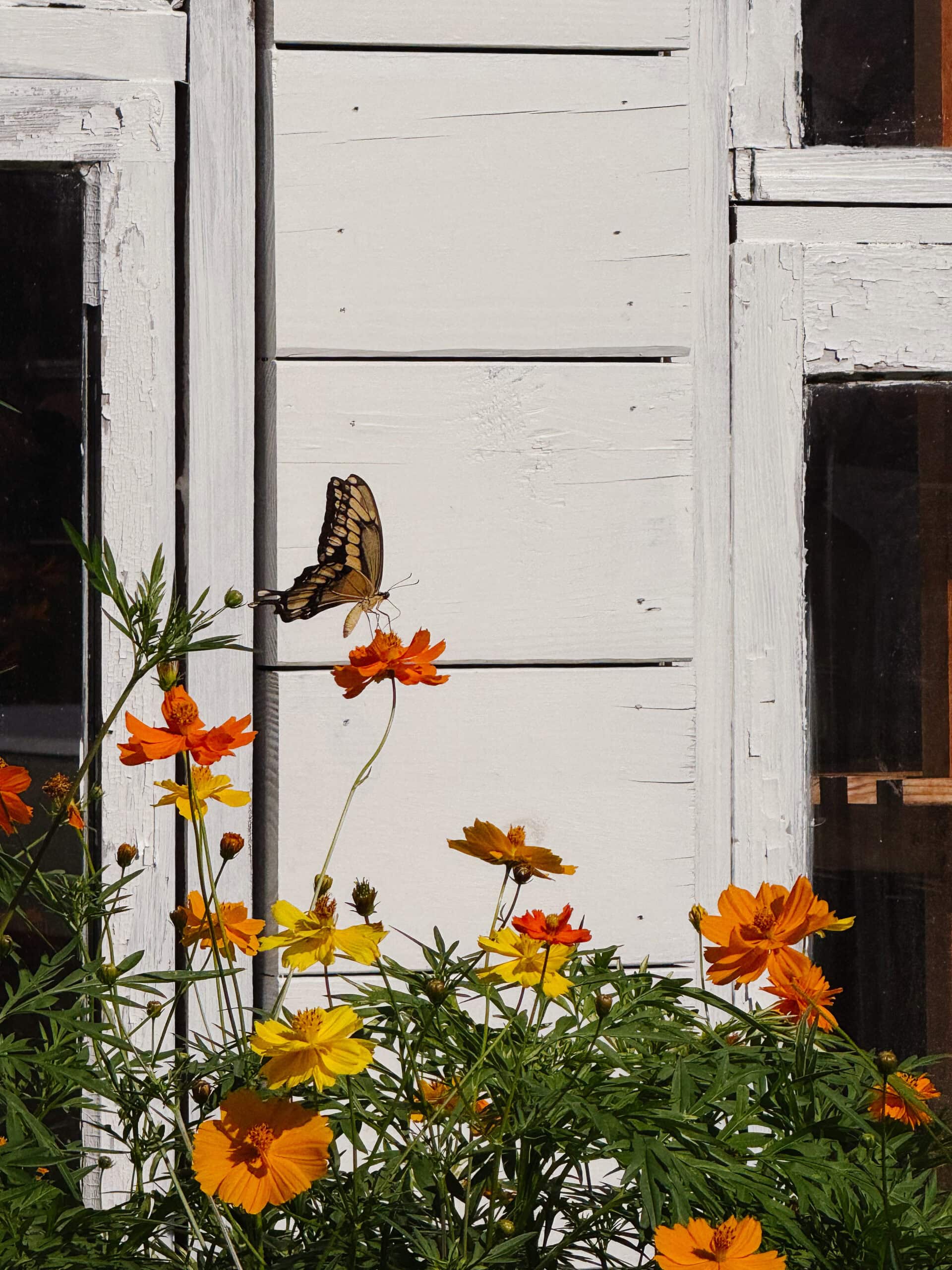
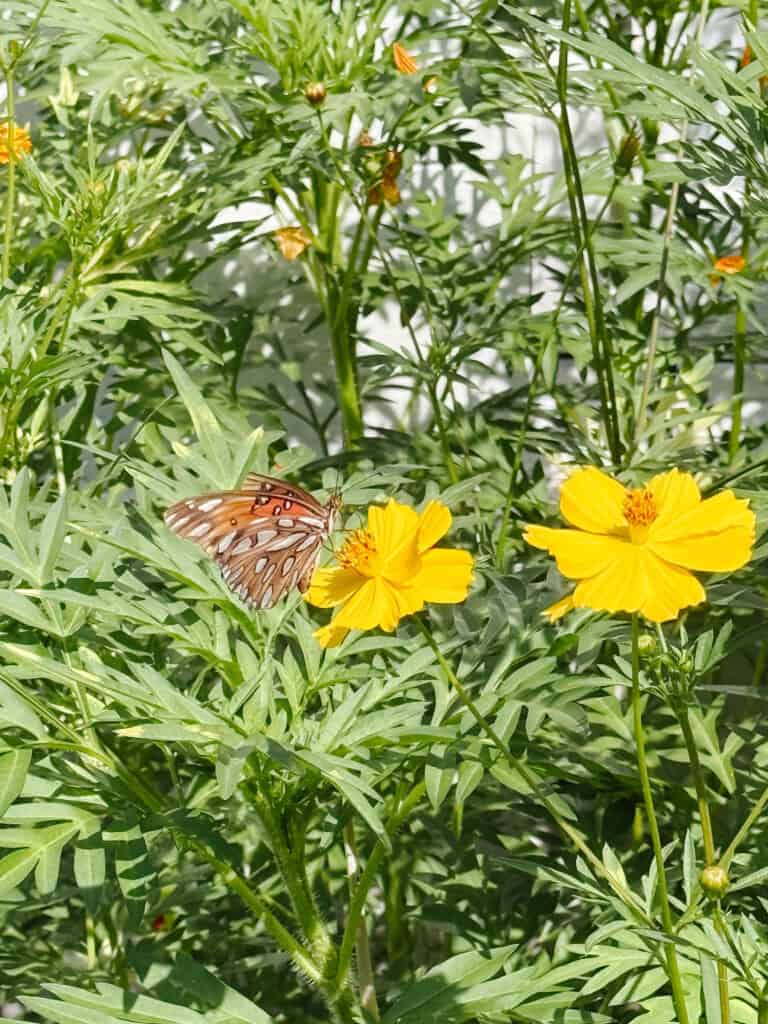
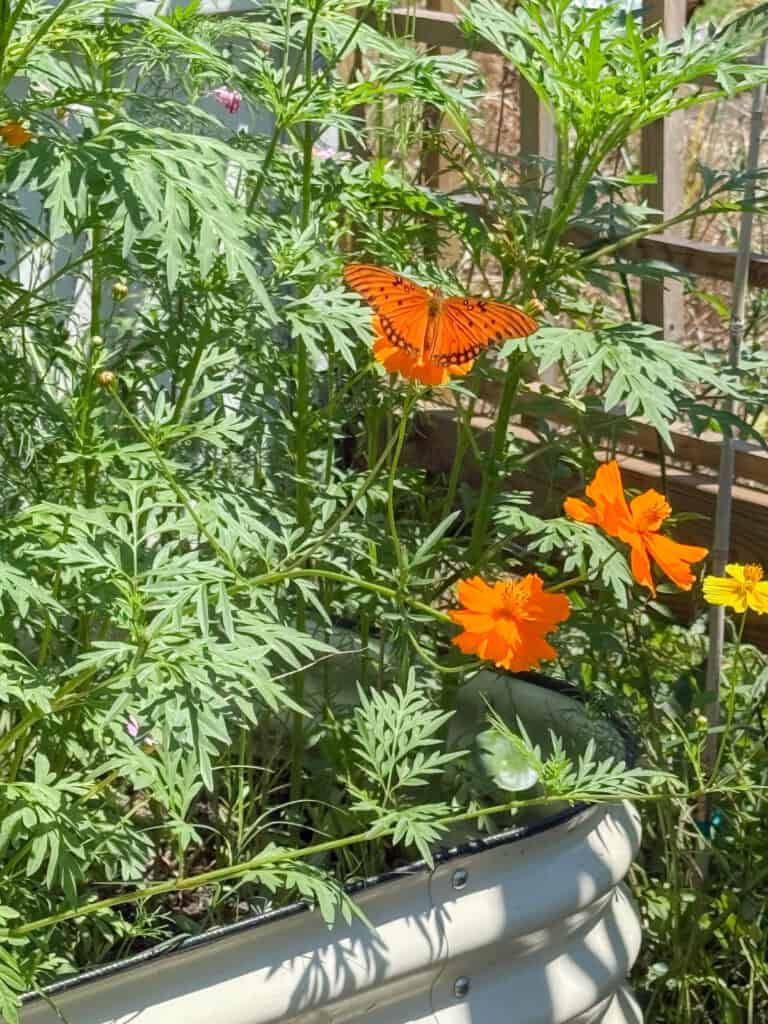
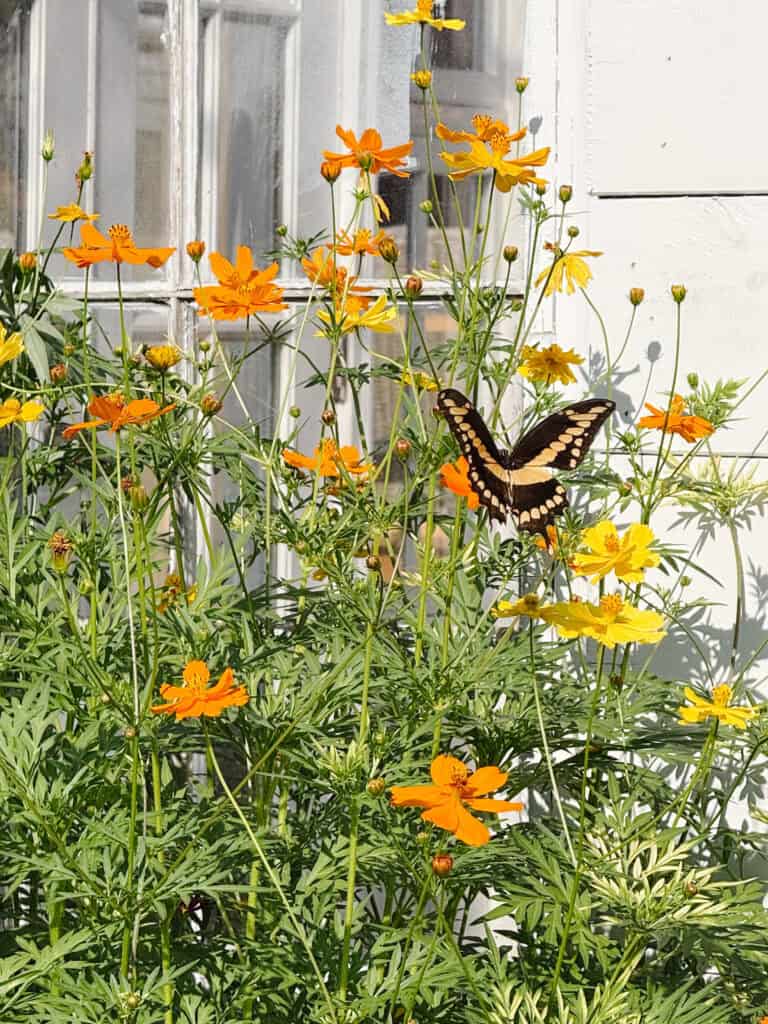
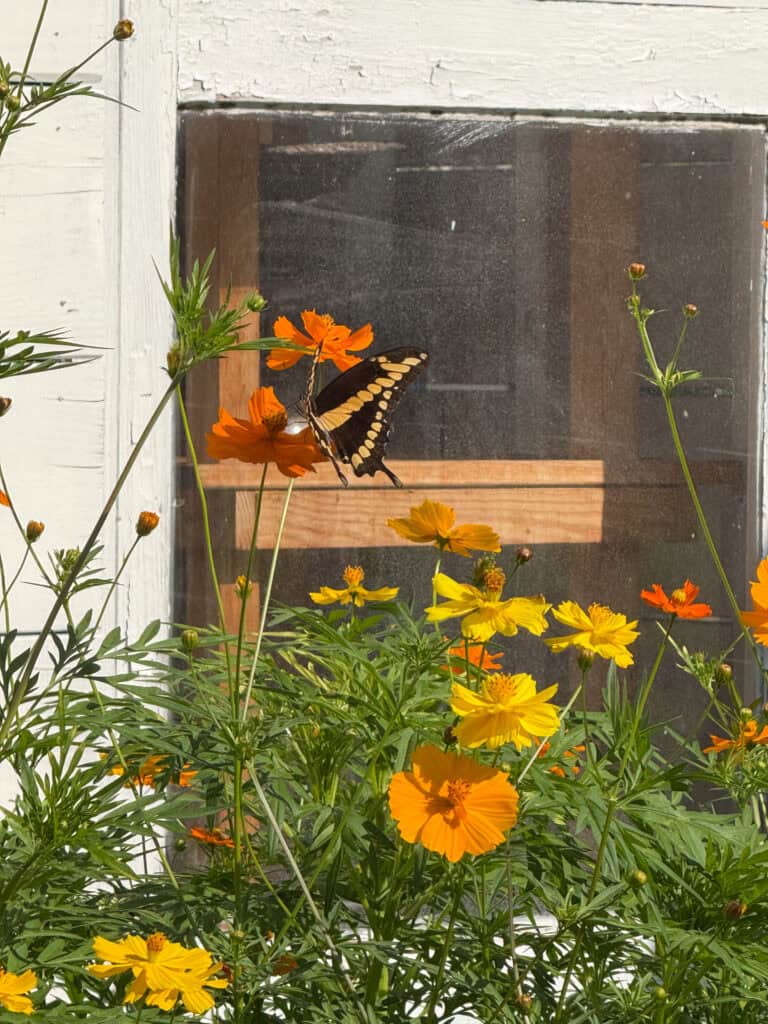
A wildflower garden offers essential food and habitat for beneficial pollinators. Bees, butterflies, hummingbirds, and even small mammals thrive in wildflower areas because the flowers provide nectar, seeds, and shelter. Since I planted my mix, I’ve enjoyed seeing multiple species of butterflies and hummingbirds visiting daily. It’s a great thing to watch your space transform into a hub for local wildlife while knowing your garden is contributing to the larger ecosystem.
2. Pollination Support
One of the greatest benefits of planting wildflowers is their role in pollination. A diverse wildflower garden bed or meadow supports native plants, fruit trees, and even local crops. Living in a highly agricultural area, I feel good knowing that our wildflower planting helps farmers and gardeners by attracting beneficial pollinators that move between plants and increase yields.
3. Boosting Biodiversity
Adding wildflowers to your yard helps balance the ecosystem by introducing a variety of native plants. A wide selection of colors, heights, and bloom times ensures that pollinators have food throughout the growing season. This diversity prevents invasive species from taking over and strengthens the local environment by welcoming wild species that have coexisted with native flowers for generations.
Subscribe to get all the latest projects delivered Right to youR Inbox!
4. Healthier Soil
The root systems of wildflower plants work hard underground. They improve soil structure, prevent soil erosion, and increase nutrient retention. Even in areas of poor soil, native wildflowers and native grasses adapt and thrive. Whether you have sandy soils, clay soil, or rocky soil, planting wildflowers improves conditions over time by adding organic matter and supporting a healthier perennial garden.
5. Cleaner Water
Wildflower planting does more than beautify the surface. By strengthening soil, wildflowers enhance water filtration, helping filter pollutants and protect groundwater. Their root systems act like natural erosion control, which is an important factor in both rural and urban landscapes.
6. Reduced Pesticide Use
A thriving wildflower bed naturally attracts beneficial pollinators and insects that provide pest control. This minimizes the need for chemical pesticides and fungicides. In Louisiana’s hot and humid climate, many cultivated flowers require constant chemical care, but wild species flourish with little care. Native wildflowers are a great way to enjoy long-lasting blooms without adding unnecessary sprays to your garden design.
7. Low Maintenance
One of the best practices for any garden is choosing plants that require little care. Wildflower seed mixes are designed for this. Native wildflowers adapt to local climates and various soil types, requiring less water and fertilizer compared to cultivated varieties. Once established, a wildflower meadow or wildflower bed blends beautifully into existing lawn areas, perennial gardens, or even new plants in bare ground spots.
Go Native
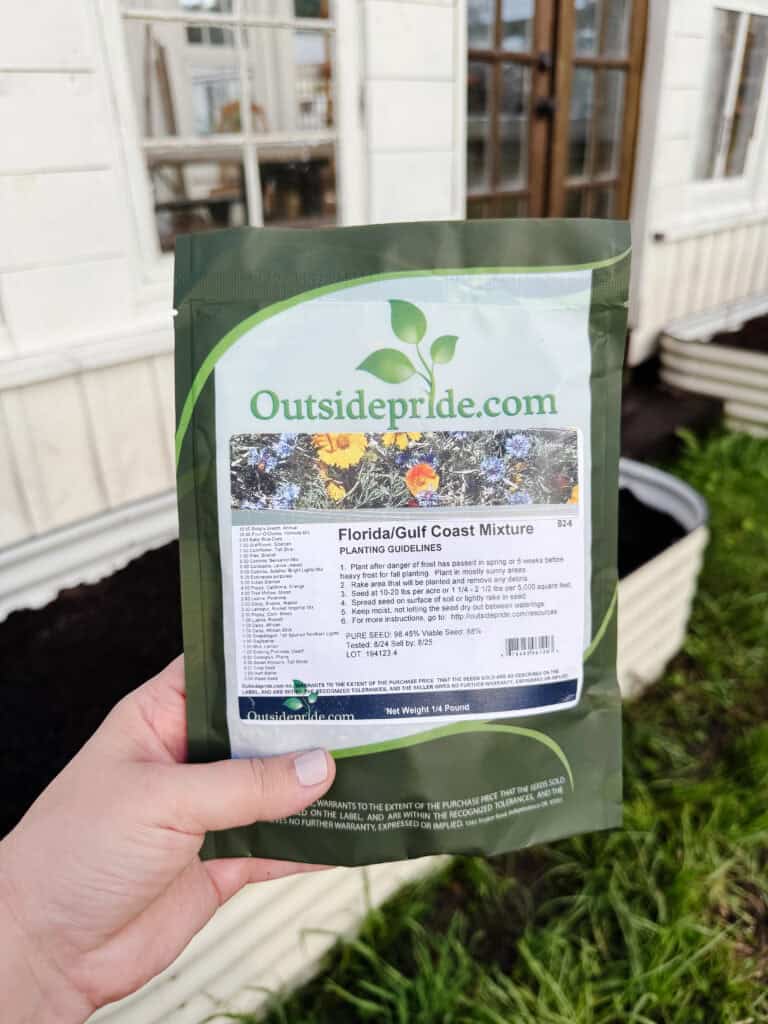
For the most significant benefit to your wildflower garden, choose native flowers that have co-evolved with your region’s climate and wildlife. Native wildflowers are better suited to support local wildlife, wild species, and beneficial pollinators. Since I’m in South Louisiana, I planted a Gulf Coast wildflower seed mix. Outsidepride offers regional wildflower seed mixtures across the United States so you can select the best spot-specific seeds for your area and get the best results.
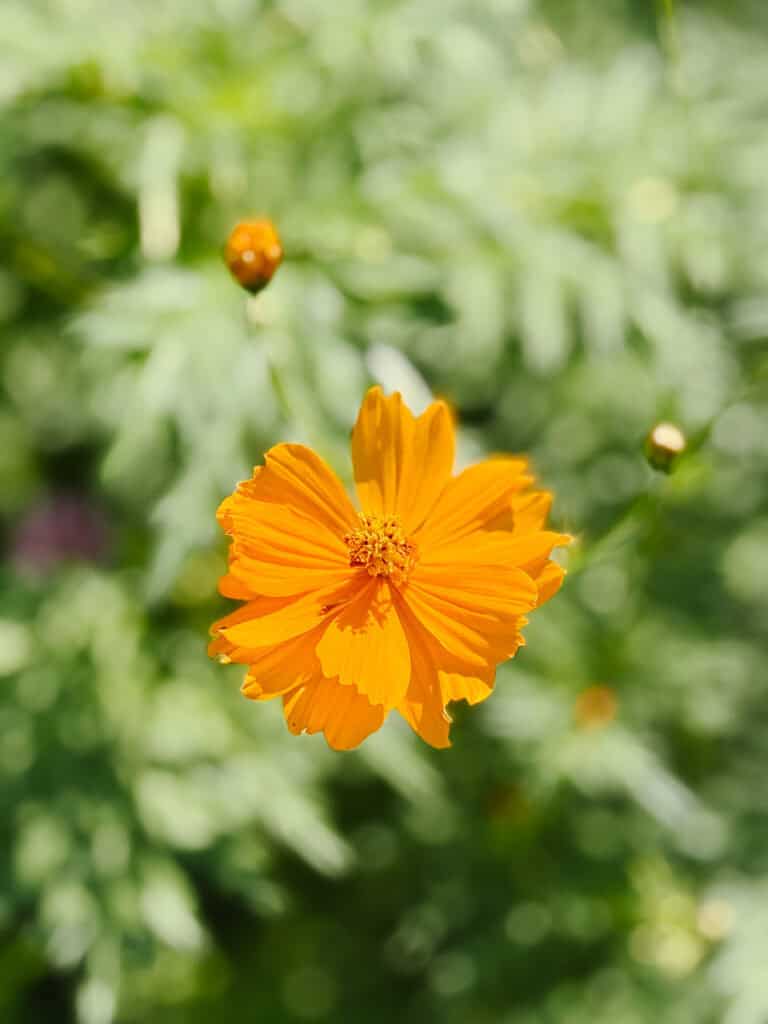
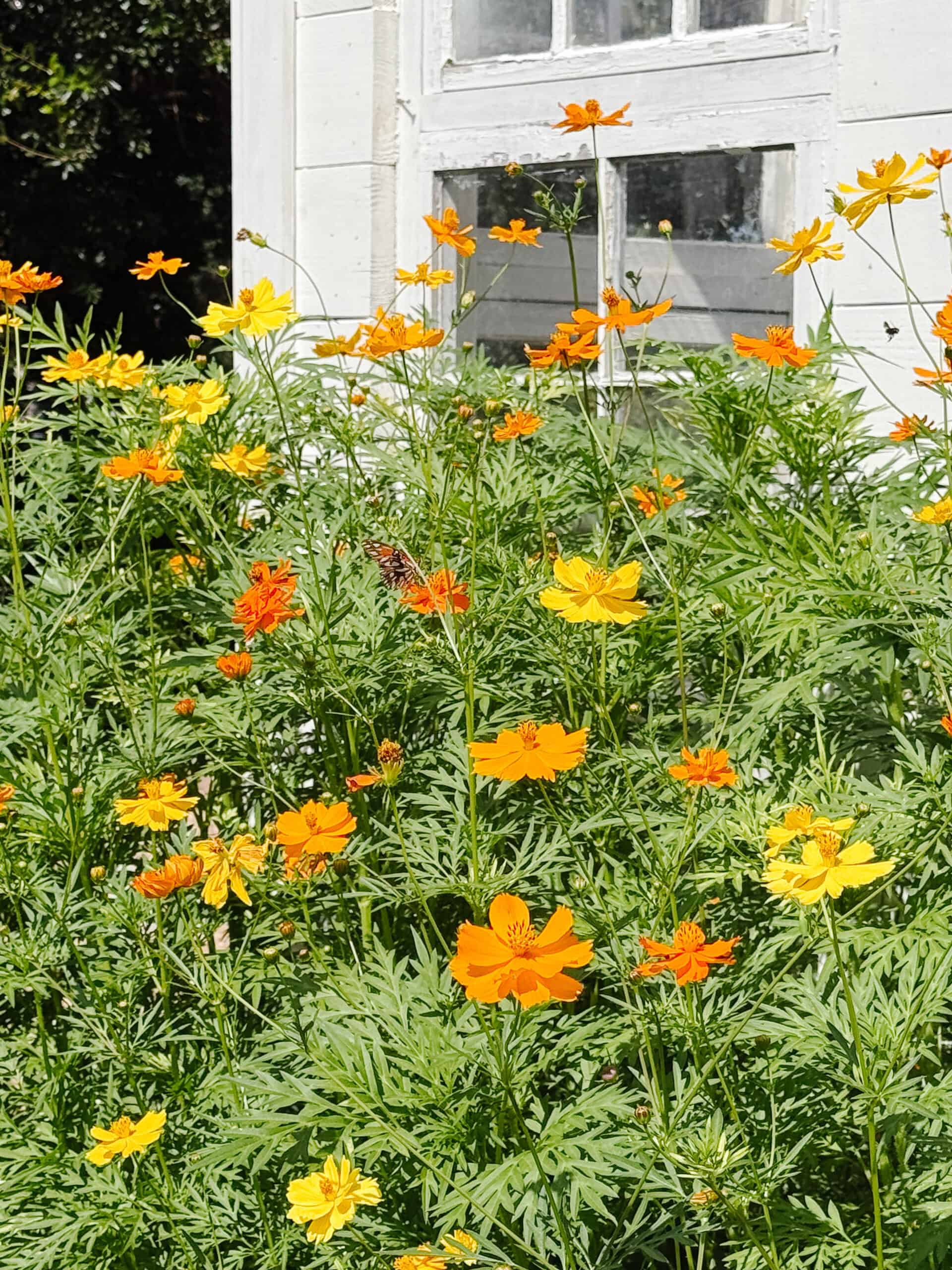
Wildflowers are some of the easiest flowers to grow. I planted my packet of seeds in mid-summer using the simple scatter method, watered a few times in the first week and then left them alone in one of the most difficult growing times. Within weeks, young plants appeared and soon tall stems of gorgeous wildflowers were blooming. By late summer, the garden was filled with color and now in early fall the area has become a favorite spot for birds and butterflies.
9. Cost-Effective
A wildflower area saves money in multiple ways. Less mowing, less watering, and less fertilizing reduce both cost and hard work. You can plant a large area with a single packet of seeds and enjoy blooms the following spring, following year, and in many cases year after year when perennial wildflowers return. Whether you’re covering bare soil or refreshing existing garden beds, wildflowers are an affordable option with excellent results.
10. Aesthetic Appeal
There’s no denying the natural beauty a wildflower garden brings. From low-growing wildflowers like California poppies to tall favorites like purple coneflower and blanket flower, these blooms create stunning, colorful, and natural landscapes. Whether you’re designing a small area in your backyard or transforming a large field, wildflowers offer endless garden design possibilities. They make wonderful cut flowers, add character to perennial gardens, and create natural beauty in every season.
Tips for the Perfect Wildflower Garden
Choose the right place with full sun and well-drained soil for best results.
Prepare the soil by removing weed seeds and invasive species to give wildflowers a head start.
Scatter seeds in early spring, early autumn, or late fall for the best time to establish wildflower plants.
Cut back tall stems and long grass in late winter to encourage new growth the following spring.
Common Questions About Growing Wildflowers
What is the best spot to plant wildflowers?
The best spot is an open area with full sun and bare soil. Avoid shady corners or moist soil where wildflower seeds may struggle to germinate.
When is the best time to plant wildflower seeds?
Wildflower planting works best in early spring or early fall. In warm regions, late fall planting allows seeds to overwinter and sprout the following spring.
Do wildflowers grow in poor soil?
Yes, native wildflowers adapt to various soil types including clay soil, sandy soils, rocky soil, and even poor soil. Adding organic matter helps but is not always necessary.
How long do wildflowers bloom?
Wildflower gardens can bloom from early summer through late summer and into early autumn, depending on the mix. By planting wildflower seed mixes with annuals and perennials, you’ll enjoy blooms year after year.
Can I add wildflowers to my existing garden beds?
Yes, wildflower seeds are a great way to fill in bare spots or expand existing garden beds. They blend easily with native grasses and perennial plants to create a natural look.
Do wildflowers require much time or care?
Once established, a wildflower meadow requires little care. Occasional watering during droughts and trimming back in winter are often all that’s needed.
Planting a wildflower garden is one of the simplest and most rewarding things you can do in your yard. From supporting beneficial pollinators to improving soil health and adding natural beauty, wildflowers bring countless benefits to both your space and the environment around you. Whether you’re working with small areas or a large area, wildflower seed mixes are a great way to create long-lasting blooms with very little care. By choosing native species and following best practices, you’ll enjoy the joy of young plants in the first year and a flourishing wildflower area the following year. A packet of seeds can transform bare soil into a thriving wildflower bed that delights both people and local wildlife. If you’re looking for a cost-effective, eco-friendly, and beautiful way to enhance your garden design, wildflowers are the perfect choice! Happy Planting y’all!!